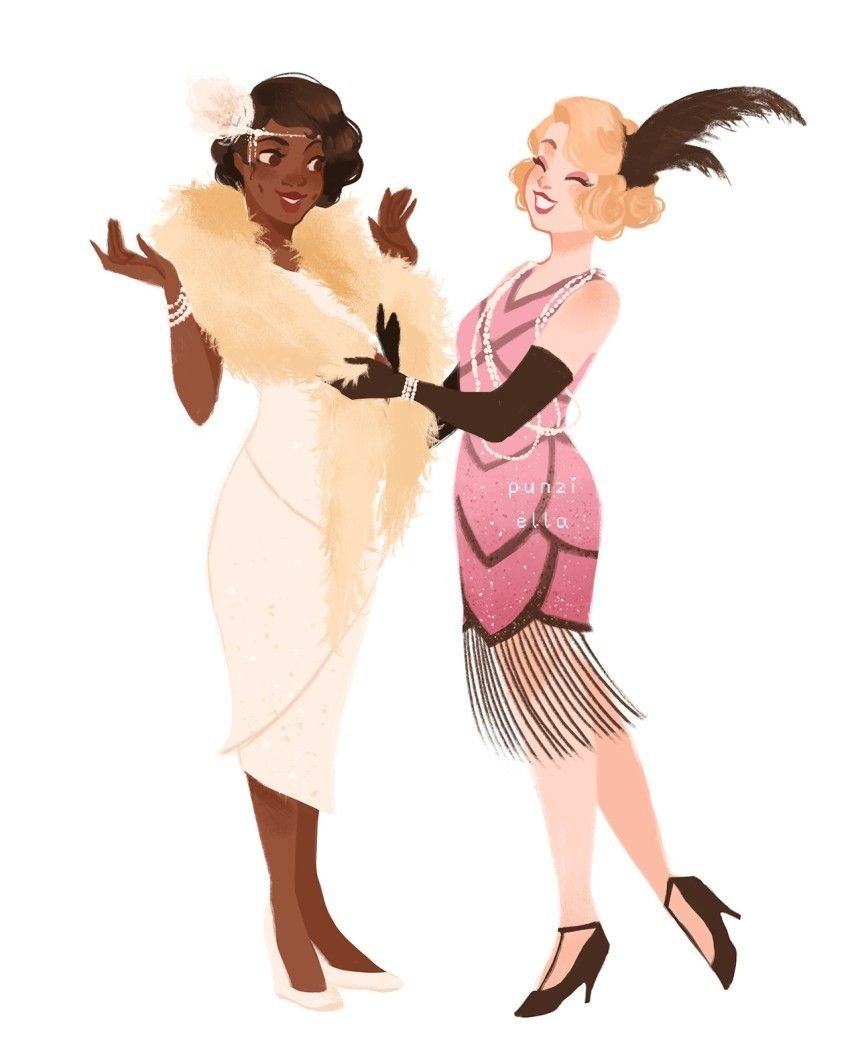
Cultural Impact & Reception of Charlotte La Bouff's Enduring Appeal
When we talk about the most impactful characters in Disney's modern era, the conversation often centers on the protagonists. Yet, a deeper dive reveals that sometimes, the true brilliance—and the most lasting cultural impact—comes from the supporting cast. Such is the case with Charlotte La Bouff, affectionately known as Lottie, from "The Princess and the Frog." She’s not the one who kisses a frog and becomes a princess, but her journey and unwavering spirit have secured her a unique and cherished place in the hearts of audiences, defying expectations and enriching the narrative in profound ways. Her reception has been overwhelmingly positive, cementing her status as a refreshing subversion of classic archetypes and a testament to the power of genuine kindness.
At a Glance: Why Charlotte La Bouff Resonates
- Subverts Tropes: Instead of a jealous rival, she's a supportive, generous friend to the protagonist, Tiana.
- Embraces Humanity: Her flaws (spoiled, idealistic) are balanced by genuine warmth and a good heart.
- Charming & Relatable: Despite her privileged background, her dreams and humor make her incredibly endearing.
- Champion of Friendship: Her unwavering loyalty to Tiana is a cornerstone of the film's emotional depth.
- Modern Princess Archetype: She represents the persistent dreamer who, even when her own fairytale doesn't materialize as planned, celebrates the happiness of others.
- Breaks Stereotypes: Proves that wealth and privilege don't automatically equate to malice or selfishness.
The Sparkle of New Orleans: Setting the Stage for Lottie's Charm
To truly appreciate Charlotte's impact, we must first set her against the vibrant backdrop of New Orleans in the 1910s. Born into immense wealth as the daughter of "Big Daddy" La Bouff, the city's richest man and later its King of Fat Tuesday, Lottie experiences a childhood drenched in luxury and fairytale fantasies. From a young age, she is captivated by princess stories, often told by Tiana's mother, Eudora, who also sewed princess dresses for her. This early immersion in romantic ideals fuels her lifelong dream of becoming a princess herself—a dream she actively pursues, even fantasizing about kissing a frog to achieve it.
This context is vital because it establishes the very foundations of her character: her boundless optimism, her love for all things pink and regal, and a certain sheltered naiveté that, in lesser hands, might have been portrayed as arrogance. Instead, Lottie emerges as a character whose dreams are almost childlike in their purity, even as she navigates the social intricacies of the Roaring Twenties.
A Masterclass in Character Subversion: The "Villain" Who Isn't
One of the most significant reasons for Charlotte La Bouff's lasting cultural impact is her brilliant subversion of a classic trope. In countless stories, particularly those centered around a working-class heroine like Tiana, the wealthy, beautiful, and princess-obsessed rival would inevitably become an antagonist. She would be mean, jealous, manipulative—a clear obstacle for the protagonist to overcome.
Charlotte, however, shatters this mold with a delightful twist. Despite her privileged position and her clear desire to marry Prince Naveen (a prince who desperately needs to marry rich, making her the perfect candidate), she remains Tiana's steadfast friend. Her enthusiasm is never malicious, and her occasional thoughtlessness stems more from her sheltered upbringing than from any ill intent. This unexpected generosity completely upends audience expectations, transforming what could have been a predictable narrative into something far more nuanced and emotionally rich. She embodies the idea that a character can be self-absorbed and idealistic without being evil.
Her defining moment of generosity arrives when she learns of Tiana and Naveen's true love. Despite the opportunity to finally fulfill her own dream of becoming a princess by marrying Naveen, she offers to kiss him herself – not for her own gain, but to turn him human so that Tiana can be happy. This selfless act, even though it ultimately fails because it happens after midnight, solidifies her as one of Disney's most genuinely good-hearted side characters. This scene alone is frequently cited by fans as the moment Lottie cemented her place as a beloved figure, showcasing a profound understanding of friendship over personal ambition.
The Unofficial Princess with a Golden Heart: Why Lottie Resonates
Charlotte's appeal also stems from her unique position as an "unofficial" Disney princess. While she never officially marries a prince and becomes a queen, she does hold the title of "Princess of Carnival" for a day when her father is elected King of Fat Tuesday. This brief moment in the spotlight allows her to live out her dream, even if fleetingly, adding a layer of poignant wish-fulfillment to her character.
Her continued determination to find her prince, even playfully dancing with Naveen's much younger brother with the quip, "Well, I've waited that long," speaks to a resilience and a charming eccentricity that audiences adore. She reminds us that it's okay to hold onto dreams, even if they evolve or don't manifest exactly as planned. Her journey, though secondary to Tiana's, becomes a narrative about adapting dreams, celebrating others, and maintaining an optimistic spirit.
This blend of unwavering idealism, coupled with her tangible acts of kindness, makes her a deeply relatable and inspiring figure. She proves that a character doesn't need to be the main hero to impart powerful lessons about generosity, loyalty, and the pursuit of happiness. For more insights into how she fits into the broader story, you might want to Explore Charlotte Princess and the Frog.
Charlotte's Role in Modern Storytelling: Beyond the Fairy Tale
The reception of Charlotte La Bouff goes beyond mere affection; it signals a shift in how audiences appreciate secondary characters and the nuances of female friendships in animated cinema.
Redefining Female Friendships
Before characters like Charlotte, female friendships in Disney films were often secondary to romantic plots or even tinged with rivalry. Lottie and Tiana's bond, however, is presented as strong, supportive, and unconditional from childhood. Their relationship showcases:
- Mutual Respect: Despite their vastly different socio-economic backgrounds, they respect each other.
- Unconditional Support: Lottie consistently supports Tiana's dreams, and Tiana, in turn, cares deeply for Lottie.
- Honest Dynamics: They bicker, they laugh, but their foundation is solid.
This portrayal offers a refreshing model for young viewers, emphasizing that true friendship can transcend superficial differences and even personal desires. It champions a narrative where women uplift each other rather than compete.
The Appeal of the Flawed but Good Character
Charlotte's character challenges the simplistic good-vs.-evil dichotomy often found in children's stories. She is spoiled, a touch vain, and intensely focused on her own fairytale. Yet, these flaws are painted not as moral failings, but as endearing quirks born from her circumstances. Her inherent goodness shines through consistently, demonstrating that characters can be complex and imperfect while still being fundamentally kind. This complexity adds depth and realism, allowing audiences to connect with her on a more human level.
This approach resonates with modern audiences who increasingly seek out characters that reflect the complexities of real life. Lottie is a testament to the idea that true heroism isn't just about battling villains; it's also about choosing kindness, empathy, and selflessness even when it's personally inconvenient.
Impact on Character Archetypes: The Supportive Catalyst
Charlotte also serves as a critical "supportive catalyst" for Tiana's journey. Her party brings Naveen to New Orleans, setting the entire plot in motion. Her desire for a prince inadvertently leads to Tiana's transformation into a frog. And her willingness to help, even when it means sacrificing her own dream, highlights Tiana's eventual choices and growth. She's not just a friend; she's an indispensable part of the narrative engine, driving events forward while simultaneously providing emotional ballast.
This role as a multi-faceted supporting character has influenced subsequent animated films to invest more deeply in their secondary cast, recognizing that well-developed, non-antagonistic foils can enrich the protagonist's story immeasurably.
Addressing Common Questions & Misconceptions About Lottie
Given her unique position in the Disney canon, Charlotte often sparks interesting discussions and sometimes misconceptions. Let's clear up a few:
Q: Was Charlotte La Bouff a potential villain?
A: Absolutely, she was set up to be! Her character design—wealthy, beautiful, desiring the same man as the protagonist—is a classic trope for a rival or antagonist. The brilliance of her writing is that she consistently defies these expectations. Her actions, while sometimes self-centered, are never malicious, and she prioritizes Tiana's happiness over her own at a crucial moment. This subversion is precisely why she's so beloved.
Q: Is Charlotte La Bouff considered a Disney Princess?
A: Officially, no. The "Disney Princess" franchise typically refers to a specific lineup of main protagonists who are either born princesses/queens or marry into royalty. While Lottie does hold the title of "Princess of Carnival" for one day and embodies many princess-like qualities and aspirations, she is a secondary character and not part of the official roster. However, her enthusiastic pursuit of the princess dream resonates deeply with many fans who unofficially embrace her as a princess in spirit.
Q: How does Charlotte differ from other Disney "rivals" or wealthy characters?
A: Unlike characters such as Cinderella's stepsisters or even more complex rivals who eventually soften, Charlotte is genuinely good from the start. Her privilege doesn't breed cruelty or snobbery towards Tiana; it merely shapes her worldview. This consistent warmth and generosity set her apart from any character who might initially seem like an obstacle to the hero's success. She demonstrates that wealth and a desire for social status don't automatically make a person unkind.
The Enduring Legacy: Why Lottie Still Matters
Charlotte La Bouff's enduring appeal lies in her ability to embody both grand dreams and grounded kindness. She represents the universal human desire for a fairytale ending, yet demonstrates the maturity to celebrate when that ending belongs to someone else. Her journey teaches us:
- Generosity is a form of strength: Her willingness to sacrifice her own dream for Tiana's happiness is a powerful message.
- Friendship is invaluable: The bond between Lottie and Tiana is a cornerstone of the film, showcasing genuine, unconditional support.
- Optimism is a choice: Despite not achieving her dream in the film's timeline, Lottie remains cheerful and hopeful, ever looking forward.
- Complexity makes characters real: Her mix of endearing flaws and profound goodness creates a character that feels authentic and memorable.
She's a character who could have been one-dimensional, a simple foil or a spoiled brat. Instead, she became a vibrant, multi-layered figure who challenges stereotypes and champions the spirit of generosity. Her warmth, humor, and unwavering loyalty have cemented her place as not just a memorable sidekick, but a truly impactful character whose influence on the cultural landscape of animation—especially in redefining female roles and friendships—is undeniable. She reminds us that sometimes, the brightest stars aren't always in the lead role, but those who shine just as brightly from the sidelines, illuminating the path for everyone around them.